
Childhood Cancers
Epidemiology, Trends, and Treatment

Fortunately, cancers in children are much rarer than those that occur in adults. However, the diagnosis of cancer in a child is usually devastating for the whole family. Childhood cancers are biologically different from cancers in adults. This post provides an overview of childhood cancers, and contrasts childhood cancer with those in adults.
1. Overview
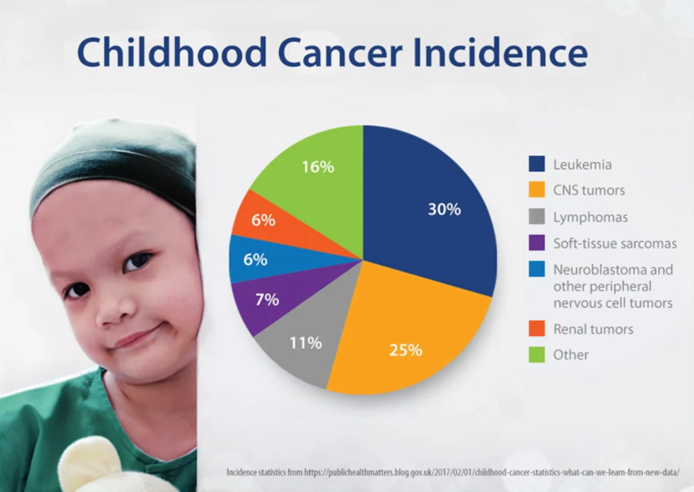
Childhood cancer is a relatively rare but profoundly impactful group of diseases. Childhood cancers make up less than 1% of all cancers. However, globally, approximately 300,000–400,000 children (0–19 years) are diagnosed with cancer each year. The most common malignancies include:
Leukemias (most common overall)
Brain and central nervous system tumors
Lymphomas
Embryonal tumors (e.g., neuroblastoma, Wilms tumor)
Unlike adult cancers, pediatric cancers are rarely linked to lifestyle factors and are more often associated with developmental biology, genetic susceptibility, and early-life exposures.
Figure 1.
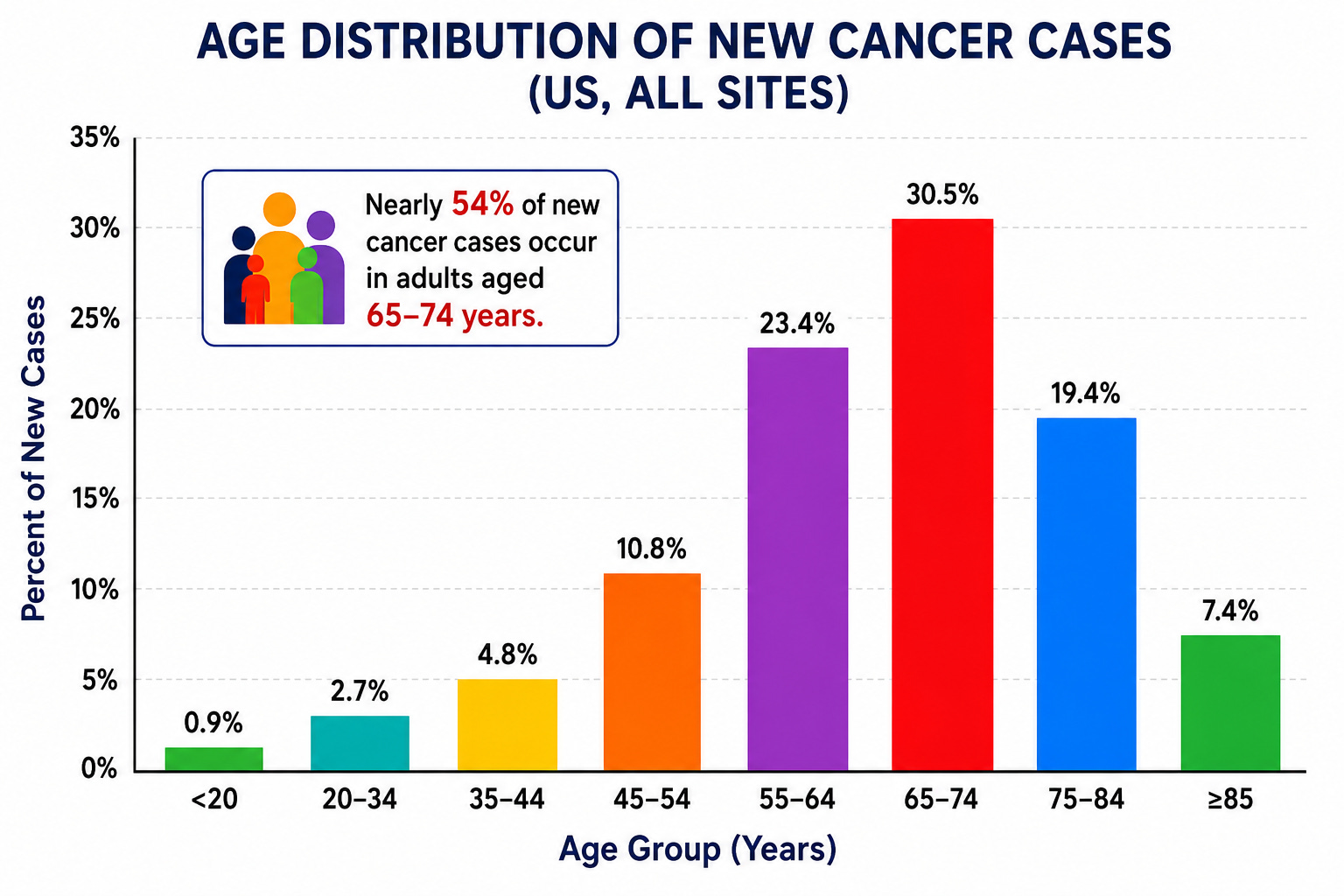
2. Global Burden and Disparities
A striking feature of childhood cancer is the inequality in outcomes:
80–90% of cases occur in low- and middle-income countries (LMICs)
Survival:
80% in high-income countries
Often <30–40% in low-income settings
This disparity reflects:
Delayed diagnosis
Limited access to therapy
Inadequate supportive care
Thus, childhood cancer is not just a biological disease, it is a global health systems problem.
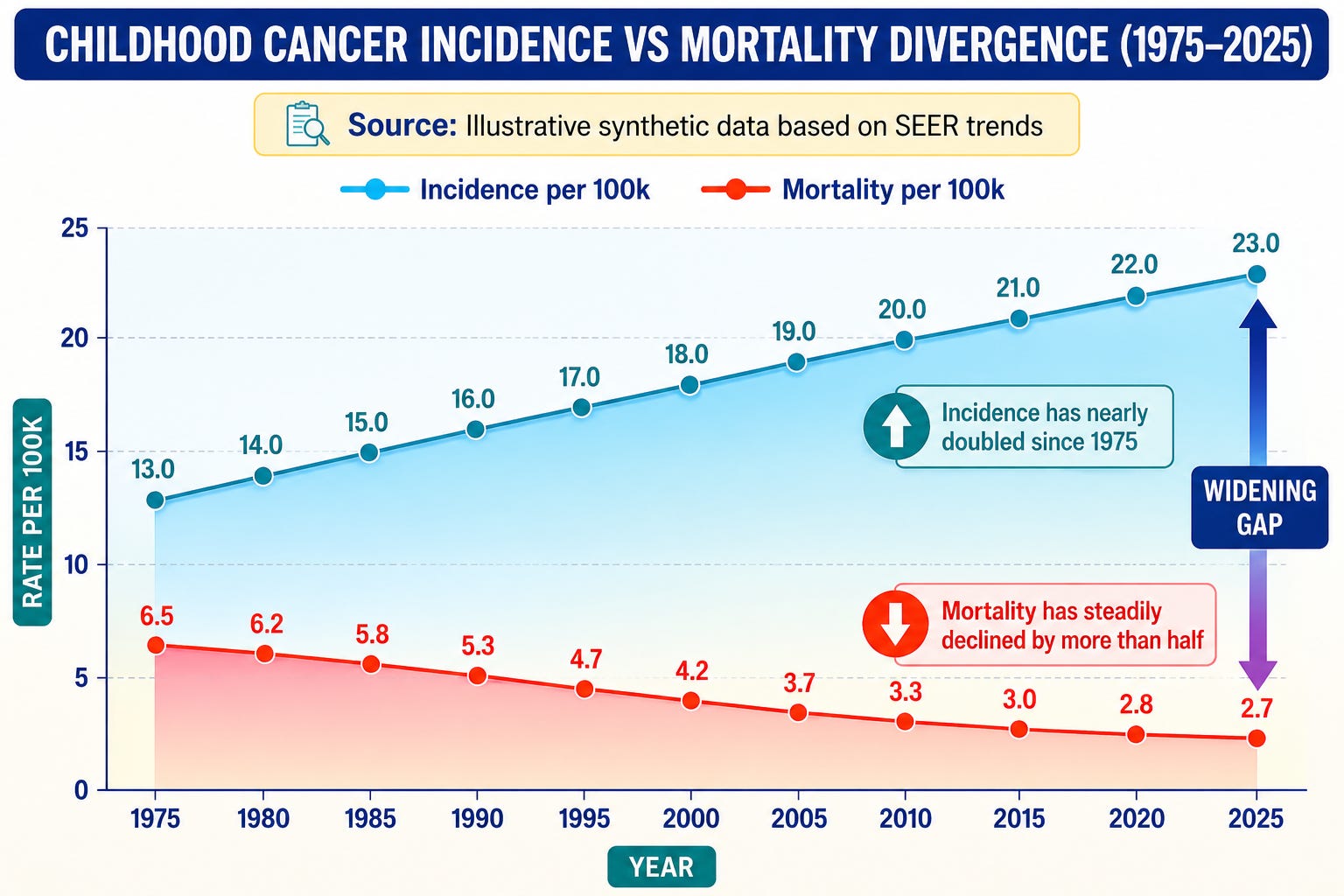
Figure 2. Childhood Cancer epidemiology in the US
3. Survival Trends: A Success Story
Over the past 50 years, outcomes have improved dramatically:
Mortality has declined by >50% since the 1970s
Overall survival now exceeds 80–85% in many high-income countries
This improvement is largely due to:
Multi-agent chemotherapy
Risk-adapted protocols
Advances in supportive care (antibiotics, transfusion, ICU care)
However, progress has been uneven:
Some tumors (e.g., high-grade gliomas) still have poor outcomes
Survivors face long-term complications (cardiovascular disease, second cancers)
4. Is the Incidence of Childhood Cancer Increasing?
Short answer: Yes—modestly but consistently
Long-term data
Incidence increased from ~14.2 per 100,000 (1970s) to ~18.9 per 100,000 (2010s)
Average annual increase: ~0.5–0.7% per year
5. Why Might Incidence Be Increasing?
1. Improved diagnosis and reporting
Better imaging (MRI, CT)
More complete cancer registries
Reduced underdiagnosis
2. Environmental exposures (hypothesized)
Potential contributors include:
Prenatal exposures (chemicals, pollutants)
Ionizing radiation (medical imaging)
Endocrine-disrupting chemicals
Pesticides and air pollution
Evidence: suggestive but not definitive
The Elephant in the Room: Childhood Vaccination
One question that inevitably arises is whether routine childhood vaccination might increase the risk of childhood cancer. This is an understandable question. While such an association is biologically conceivable, there is currently no convincing clinical evidence demonstrating that routine childhood vaccination increases the risk of childhood cancer.
Several observational studies comparing vaccinated and unvaccinated children have reported differences in the incidence of certain medical conditions. These include higher reported rates of ear infections (otitis media), asthma, allergic rhinitis (hay fever), eczema and other atopic disorders, sinusitis, gastrointestinal disorders, developmental delays, behavioral disorders, and ADHD among vaccinated children. However, these studies are observational, have important methodological limitations, and cannot establish with certainty that vaccination caused these conditions.
Childhood cancer, however, is a very different question. Because pediatric cancers are fortunately rare, determining whether vaccination influences cancer risk would require an exceptionally large, carefully designed prospective study comparing vaccinated and unvaccinated children while accounting for the many genetic, environmental, and developmental factors known to influence childhood cancer. To date, no study of this size and quality has been performed, and given the logistical and ethical challenges, one is unlikely to be conducted.
I have discussed this issue with pediatric experts who have studied health outcomes in vaccinated and unvaccinated children. Based on the available evidence, they are not aware of any reproducible signal linking routine childhood vaccination to an increased incidence of childhood cancer.
As with any important scientific question, our conclusions should be guided by evidence rather than speculation. If future high-quality research demonstrates an association, those findings should be evaluated objectively and without bias. At present, however, there is no credible evidence supporting a link between routine childhood vaccination and childhood cancer. This is precisely why we need rigorous scientific studies—not hypothetical speculation—to answer this important question.
A related claim often made is that Amish children rarely, if ever, develop cancer because they receive fewer vaccines. The available evidence does not support this assertion. Although Amish adults appear to have lower rates of several common cancers—particularly those associated with smoking and certain lifestyle factors—these findings cannot be extrapolated to children. Reliable population-based data on childhood cancer among Amish communities are extremely limited, and there is currently no convincing evidence that Amish children have a lower overall incidence of cancer. Indeed, some older studies have suggested an increased frequency of childhood leukemia in certain Amish or related Anabaptist populations. Consequently, claims that Amish children are essentially free of cancer are not supported by the available scientific evidence.
Ultimately, this is an area where careful research—not assumptions from either side of the debate—is needed. Until such evidence exists, conclusions should remain grounded in the data rather than in speculation.
3. Early-life and developmental factors
Increasing parental age
Birth weight changes
Perinatal exposures
These may influence genomic instability or immune development
4. Immune system hypotheses
One of the most compelling theories (especially for leukemia):
Reduced early-life infections → altered immune maturation
“Delayed infection hypothesis” (Greaves model)
5. Key Takeaways
Childhood cancer affects hundreds of thousands of globally each year
Survival has improved dramatically, especially in high-income countries
Incidence has increased modestly over the past 40–50 years
The rise is likely due to a combination of:
Better detection
Environmental and developmental factors
Possibly true biological changes
Major global challenge: inequity in survival
Figure 3. Spectrum of Childhood Cancers
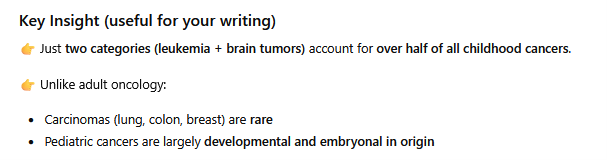
PEDIATRIC CANCERS ARE LARGELY DEVELOPMENTAL AND EMBRYONIC IN ORIGIN
Figure 4.
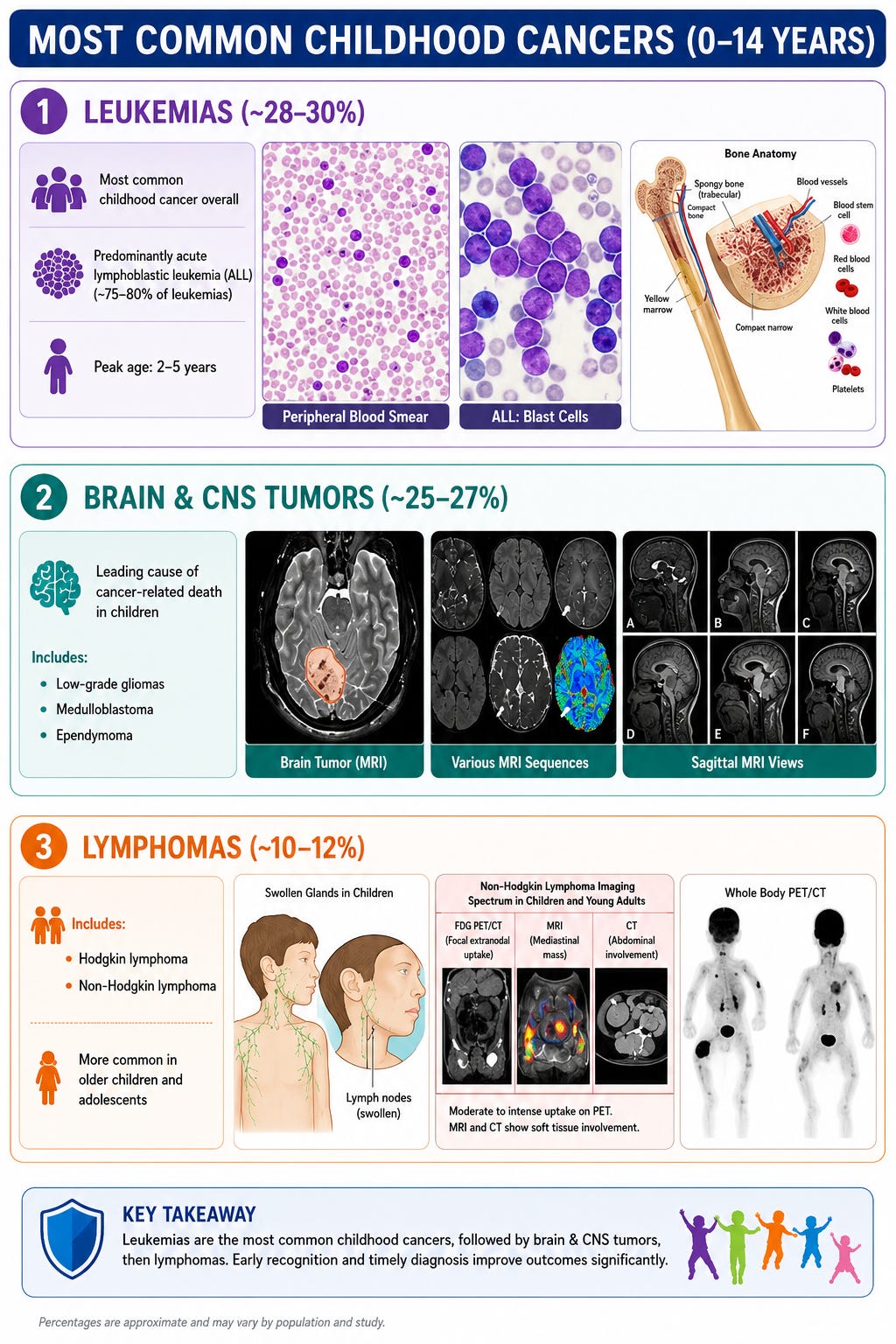
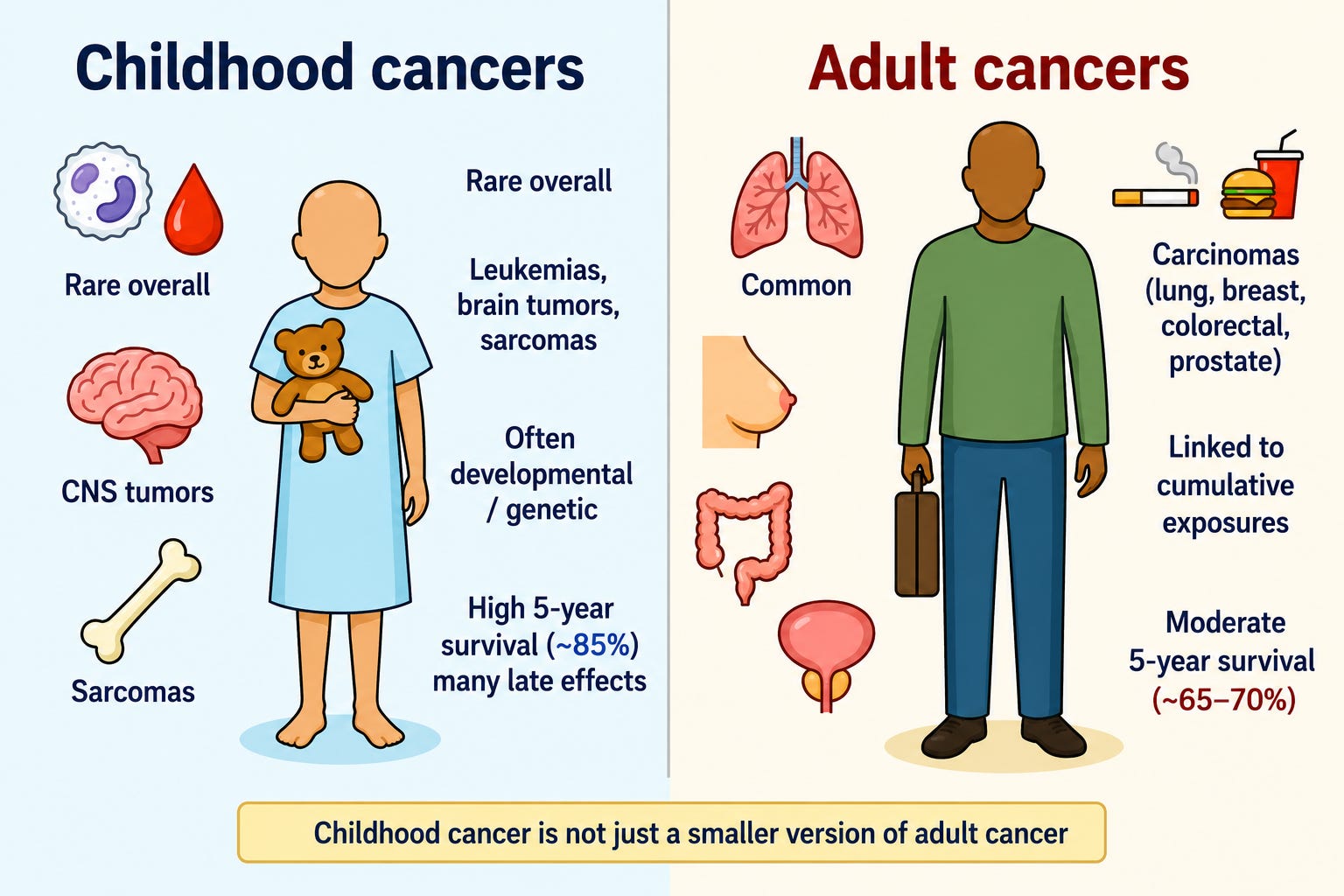
Table 1. Childhood vs. Adult Cancers
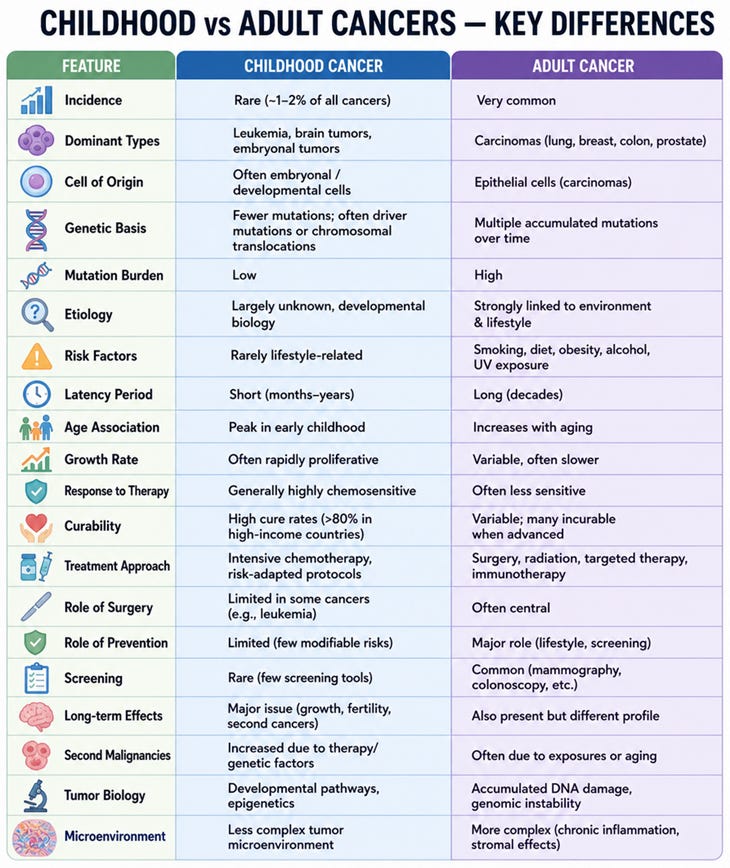
Why are childhood cancers more responsive to chemotherapy than adult cancers?
Key biological reasons
Fewer mutations and less heterogeneity: Pediatric cancers usually arise from a small number of driver mutations, whereas adult tumors often carry dozens to hundreds of mutations and multiple resistant subclones, making them harder to eradicate with a single regimen.
Developmental tumor origin: Many childhood cancers are “developmental” (embryonal tumors, leukemias of early progenitors) with rapidly cycling, poorly differentiated cells, which are precisely the cells most sensitive to cytotoxic agents that target DNA replication and mitosis.
Higher intrinsic chemosensitivity: In diseases like ALL, adult leukemic blasts show higher minimal residual disease and more in‑vitro resistance to the same drugs compared with pediatric blasts, indicating intrinsic differences in drug sensitivity even with similar cytogenetics.
Different resistance mechanisms: Adult cancers more often exhibit multidrug resistance via efflux pumps, DNA damage response alterations, and prior therapy exposure, while many pediatric tumors have not yet acquired this layered resistance.
Host and treatment-intensity factors
Healthier baseline organs: Children typically lack chronic comorbidities (cardiovascular disease, diabetes, renal impairment), so they can receive higher cumulative doses and more dose‑dense regimens before reaching organ‑toxicity limits.
Better recovery capacity: Bone marrow, mucosa, and other normal tissues regenerate faster in children, allowing aggressive schedules with shorter intervals between cycles, which maintains cytotoxic pressure on rapidly dividing cancer cells.
Pediatric‑style protocols: Pediatric oncologists routinely use very intensive, complex multi‑agent regimens and are more likely to maintain planned dose intensity and schedule, whereas adult protocols are often attenuated by age‑related toxicity and comorbidities.
Repurposed Drugs
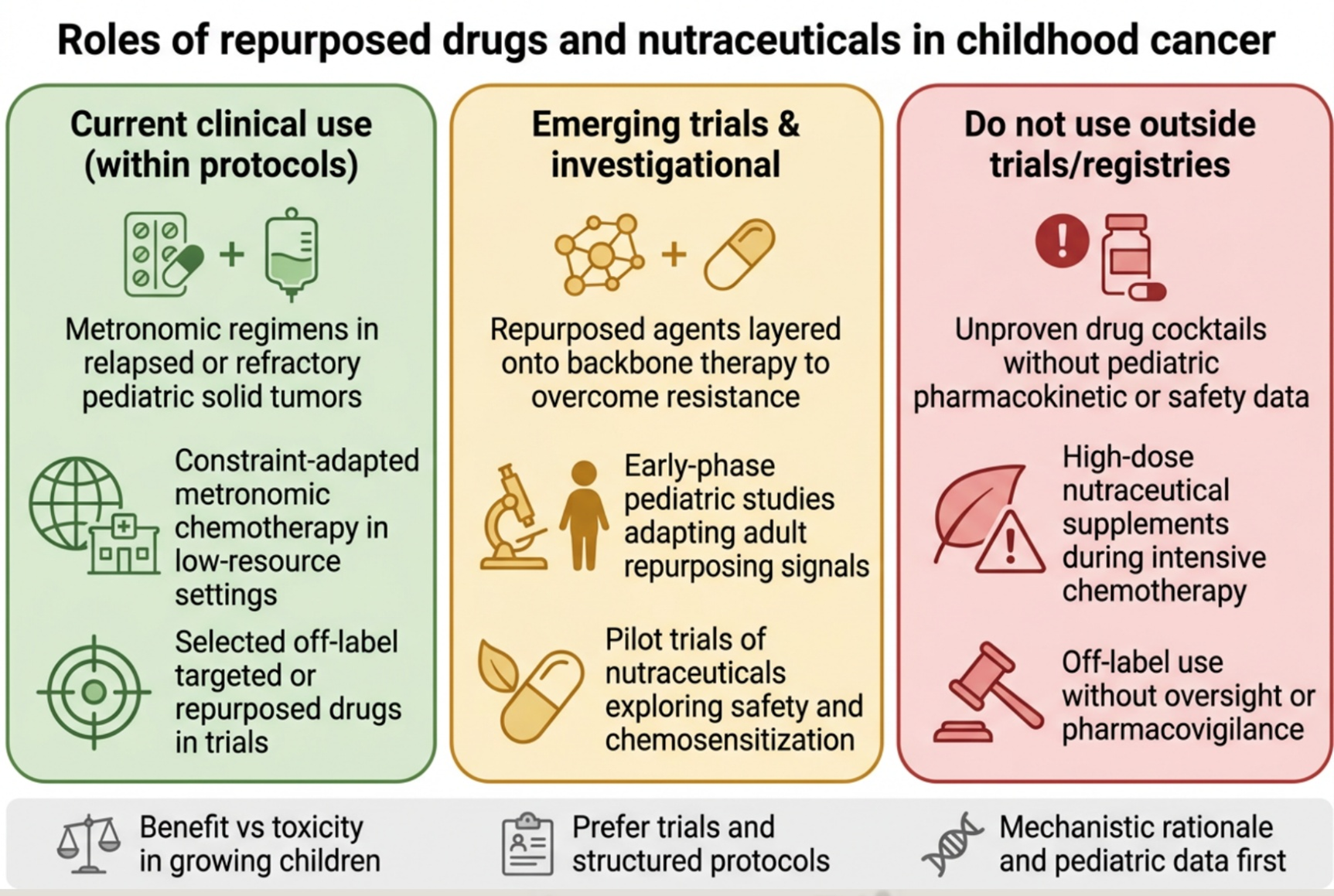
Repurposed drugs and nutraceuticals are beginning to play a complementary, mostly experimental role in childhood cancer, with stronger precedent in metronomic and palliative settings than in frontline curative therapy.
Where repurposed drugs fit
Commonly explored agents in pediatric oncology include metformin, propranolol, celecoxib, thalidomide, valproate, statins, and older cytotoxic in metronomic combinations.
These are mainly used in: refractory/relapsed disease, low‑resource metronomic regimens, vascular tumors (e.g., propranolol for infantile hemangiomas, emerging data in angiosarcoma), and for overcoming resistance or targeting angiogenesis and CSC‑related pathways.
Figure 5. Repurpose drugs and Nutraceuticals
Do childhood cancers demonstrate the Warburg effect and metabolic reprogramming
Most childhood cancers studied to date do demonstrate aerobic glycolysis consistent with the Warburg effect, though intensity and dependency vary by tumor type and molecular subtype.
Evidence in pediatric tumors
A systematic review of lactic acidosis due to Warburg effect in childhood hematologic malignancies (mainly leukemias and lymphomas) documents cases of marked tumor-driven hyperlactatemia that improve with cytoreductive chemotherapy, directly implicating high glycolytic flux in pediatric disease.(1)
Aerobic glycolysis has been reported as “ubiquitously found” in pediatric tumors among others when systematically assessed for markers of elevated glycolysis (e.g., PKM2, LDH, lactate production).(2)
In medulloblastoma, glycolysis and glutaminolysis pathways are enriched and prognostic in several molecular groups, and MYC-driven metabolic reprogramming explicitly enhances aerobic glycolysis (Warburg effect), supporting glycolytic addiction in at least subsets of this pediatric brain tumor.(3)
Mechanistic features
As in adult malignancies, pediatric tumors show increased glucose uptake, preferential conversion of glucose to lactate even in the presence of oxygen, and reduced reliance on mitochondrial oxidative phosphorylation, fulfilling the canonical Warburg definition.
This metabolic reprogramming supports rapid proliferation via faster ATP generation rates and provision of biosynthetic intermediates, and is linked to therapy resistance in various cancers, including those observed in children.
Clinical and therapeutic implications
Warburg-type lactic acidosis in pediatric leukemias/lymphomas is rare but clinically recognized; outcomes have improved in the last two decades with prompt chemotherapy, emphasizing that the metabolic derangement is tumor-driven and reversible with effective treatment.
The presence of PKM2-driven aerobic glycolysis across malignancies, including pediatric tumors, is being explored as a therapeutic “Achilles heel,” with strategies to target glycolysis or its regulators under preclinical and early translational investigation.
Table 2. Childhood cancers and the Warburg effect
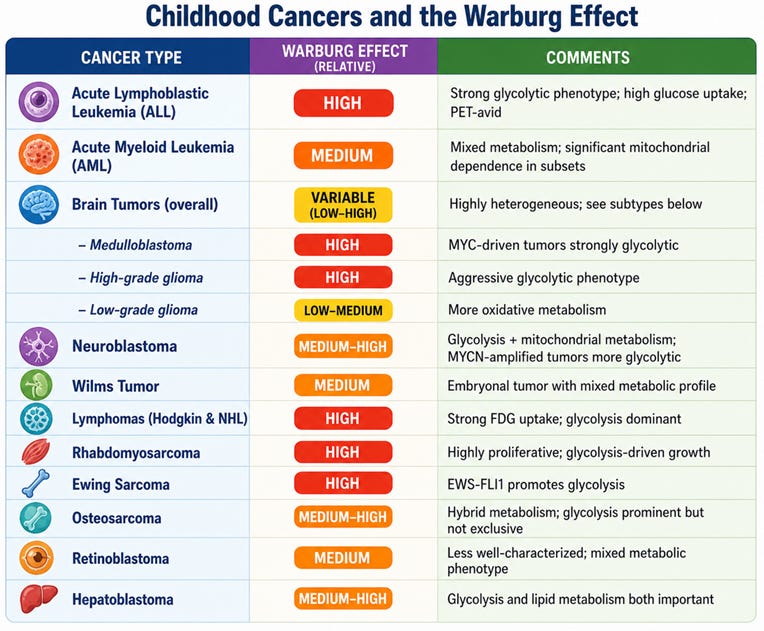
Key Interpretation
👉 Pediatric cancers are not universally “Warburg-high”
👉 Many show metabolic flexibility, especially:
Leukemias → glycolysis + mitochondrial dependence
Brain tumors → subtype-specific metabolism
Embryonal tumors → developmentally programmed metabolism
👉 👉 High-impact takeaway
“While many childhood cancers exhibit the Warburg effect, they are not purely glycolytic diseases. Instead, they often exist in a hybrid metabolic state—capable of switching between glycolysis and mitochondrial respiration.” These cancers will likely respond strongly to the “5-axis metabolic trap” including anti-Warburg drugs as well as drugs/nutraceuticals acting on mitochondria/CSC.
One nuance worth highlighting
Some of the most treatment-resistant pediatric cancers (e.g., AML stem cells, certain gliomas):
👉 are less Warburg-dependent and more mitochondrial
This becomes very relevant if you’re discussing:
metabolic therapies
doxycycline / metformin strategies
“multi-axis metabolic pressure”
Table 3.
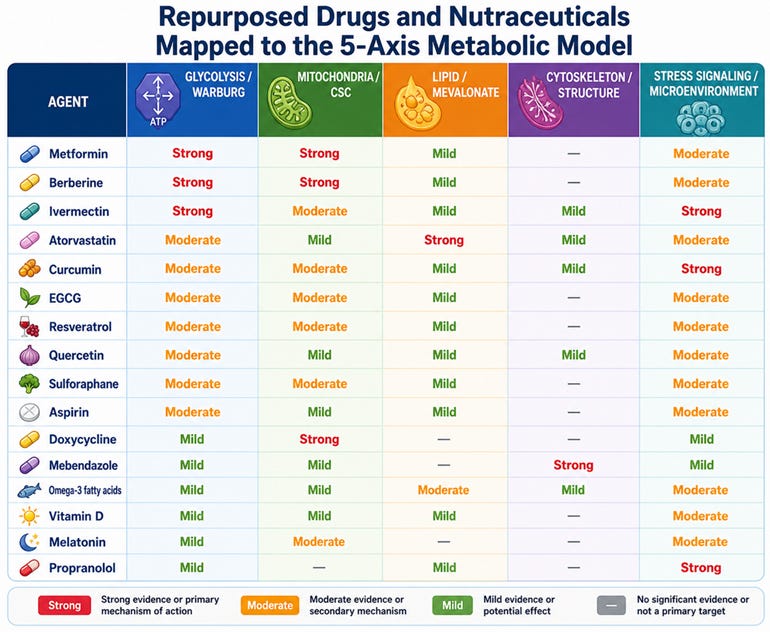
Figure 6.
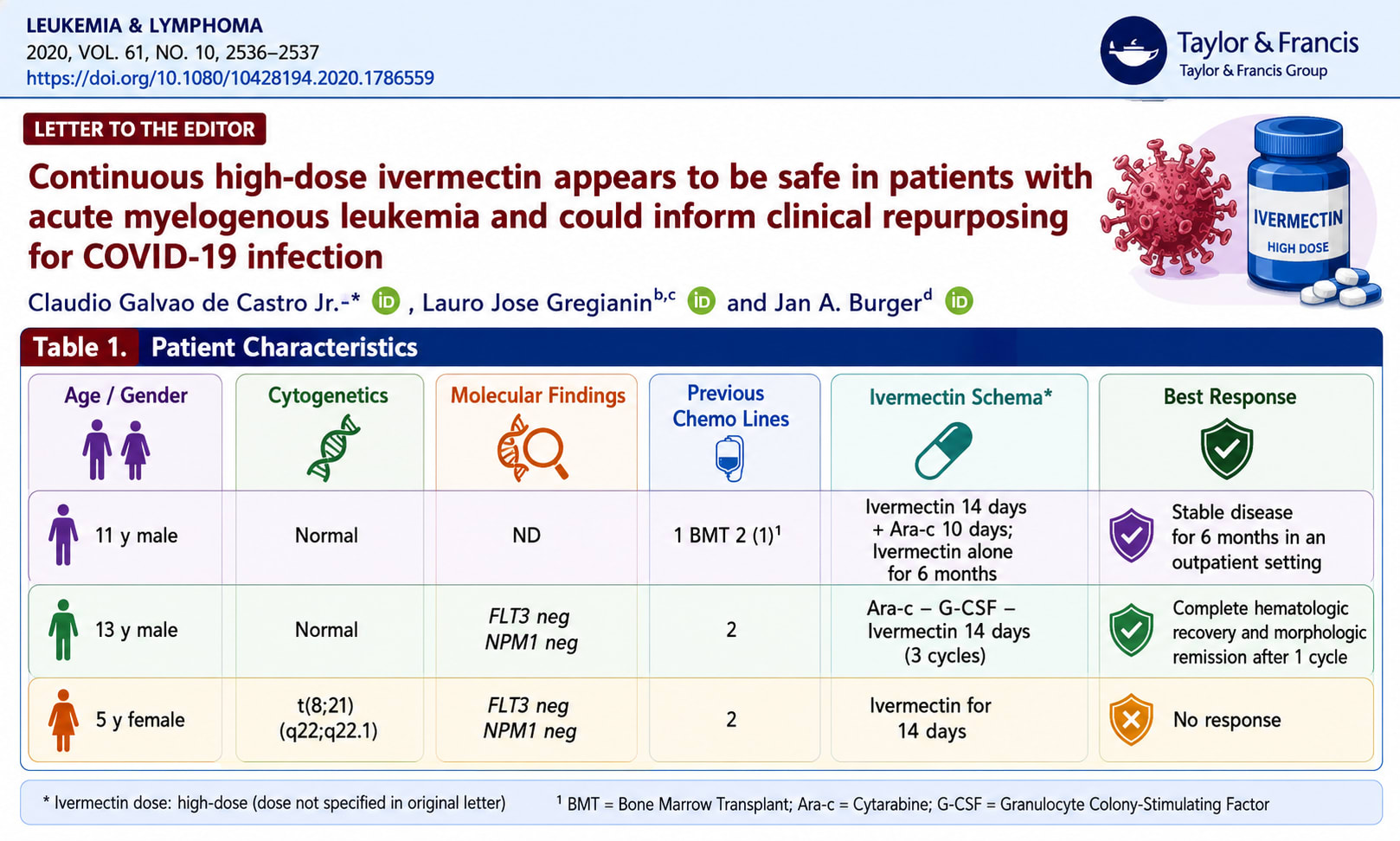
Nutraceuticals and repurposed drugs in Childhood Cancer
Nutraceutical use in childhood cancers is widespread, but high‑quality interventional evidence is still very limited. The use of adjunctive treatments in childhood cancer has been poorly researched with scant data available. Several factors are likely responsible for this observation. Most notably, childhood cancers are highly susceptible to chemotherapy with high cure rates, making the use of adjuvants or salvage therapies less important. Secondly, the biology and causes of childhood cancer are very different from adult cancers; with childhood cancers being largely developmental and embryonal in origin. The role of metabolic reprograming in childhood cancers has been poorly studied. However, as demonstrated above the Warburg effect is strongly present in many childhood cancer, suggesting mitochondrial dysfunction and metabolic reprogramming of the cancer cell. This would suggest that the 5-axis metabolic approach may have some benefit in childhood cancer. Furthermore, it is likely that adjuvant therapy would act synergistically with standard chemotherapy and these agents would clearly have a role in refractory cases. Although research in children is difficult, particularly when they have a potentially fatal disease, this is an area that requires further research. As illustrated by the two case reports, ivermectin alone as well as a multi-agent protocol have been demonstrated to have clinical benefits in childhood cancer. (4, 5)
Figure 7.
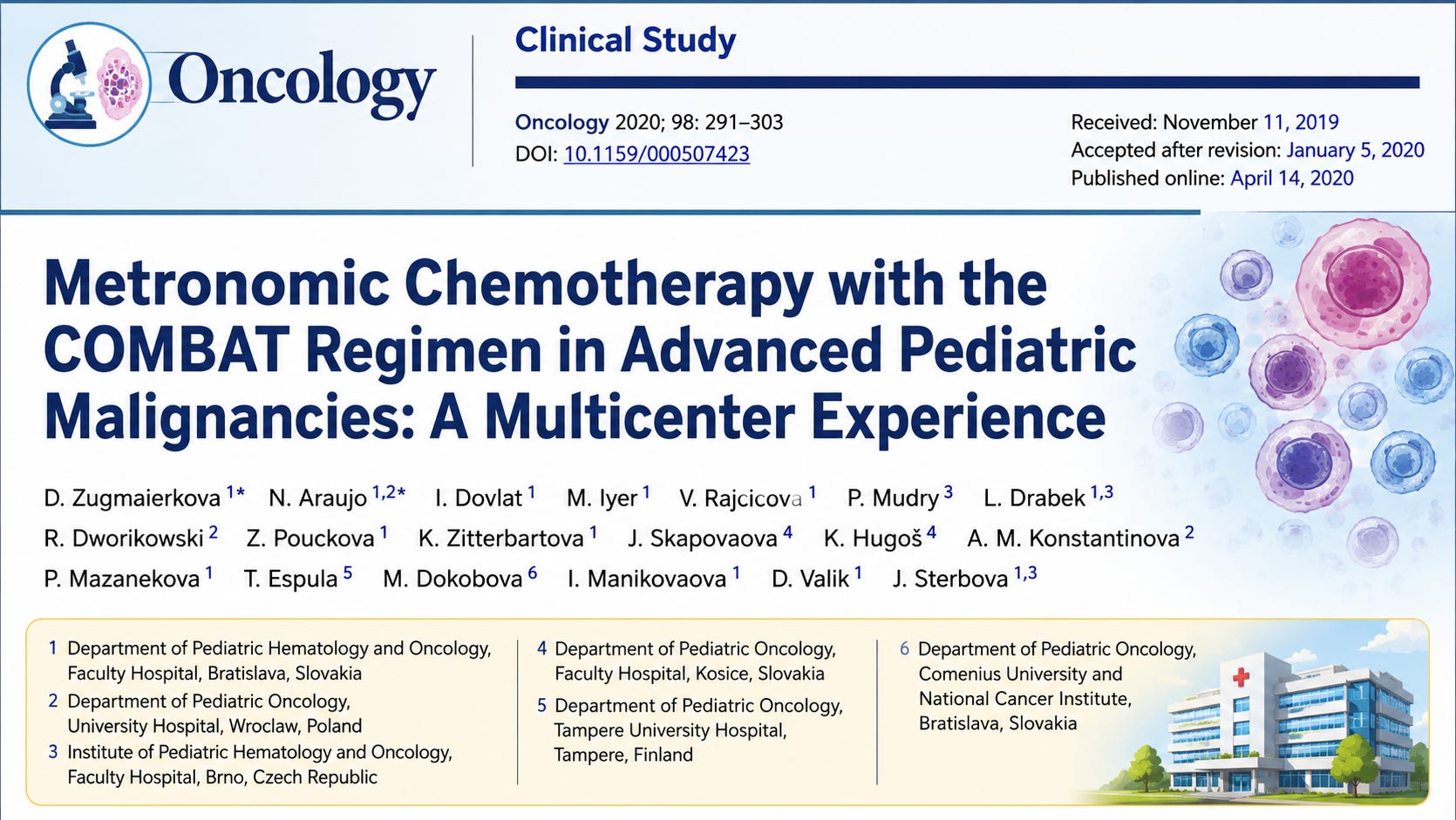
This was a study that included 74 children with advanced, refractory, or relapsed pediatric solid tumors, many heavily pretreated and with poor prognosis.(4) They were then treated across three European academic medical centers with celecoxib, vitamin D, fenofibrate, and retinoic acid along with metronomic chemotherapy regimens. In a historical comparison of the high-grade sarcoma subgroup, they reported:
Median overall survival with COMBAT: 15.4 months vs. 3.9 months in historical controls
→ COMBAT-treated patients lived nearly 4 times longer (p = 0.001)
Nutraceuticals that may be helpful in childhood cancer:
Most pediatric data concern micronutrients (vitamin D, antioxidants), omega‑3 fatty acids, and a few phytochemicals (curcumin, melatonin) used as adjuncts to chemotherapy.(6-9) Evidence is dominated by observational cohorts, small RCTs, and extrapolation from adult or preclinical work; robust survival or relapse endpoints are rare. Guidelines and recent reviews emphasize individualized correction of documented deficiencies and structured nutrition support, warning against high‑dose, unmonitored supplementation during intensive therapy.(8)
Vitamin D
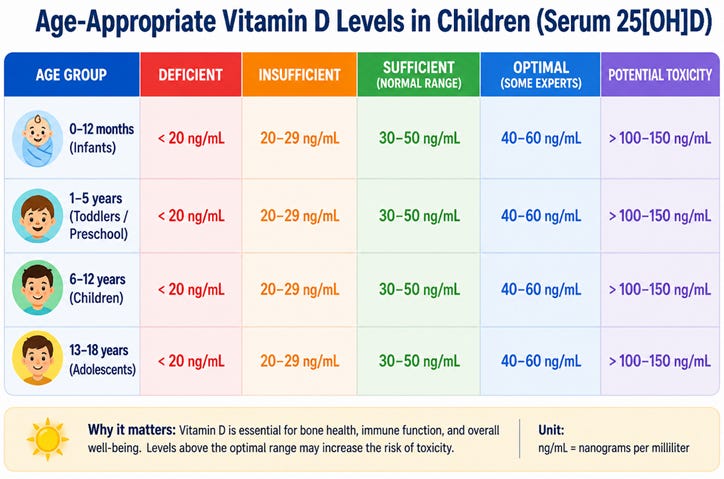
Vitamin D deficiency is highly prevalent in children with ALL and other malignancies and worsens during induction; low levels correlate with more complications and higher mortality.(10) In this study 84% of patients were vitamin D deficient. A retrospective pediatric oncology cohort found that higher pretreatment vitamin D levels were associated with better overall and relapse‑free survival, although statistical significance was limited for some endpoints.(11) Current pediatric oncology nutrition reviews advocate screening and repletion of vitamin D to age‑appropriate targets (see table 4). (6) Based on the data in adults we would suggest targeting a level of 40-60 ng/ml in pediatric cancers.
Table 4. Vitamin D dosing in children
Omega‑3 fatty acids
A focused review on omega‑3 PUFAs in pediatric cancer reports benefits on inflammatory markers, nutritional status, and possibly chemotherapy tolerance, with “obvious” supportive‑care advantages.(6)
Proposed mechanisms include anti‑inflammatory effects, modulation of eicosanoid signaling, and potential direct inhibition of tumor growth and cachexia, but this is largely preclinical or extrapolated from adults. (6)
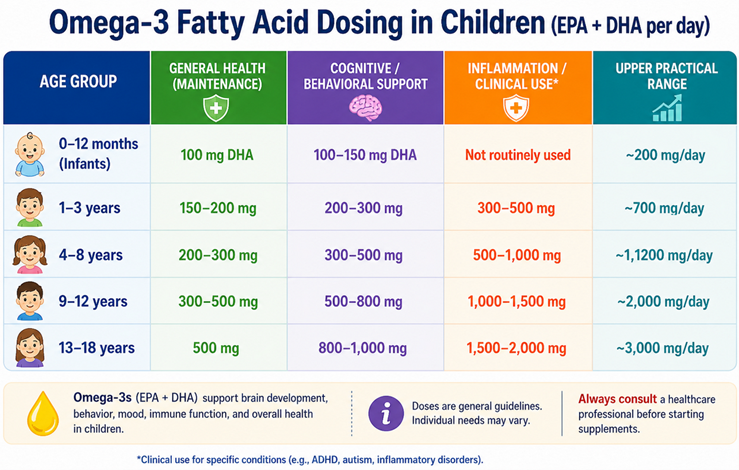
Table 5. Omega-3 fatty acid dosing in children
Important Notes
1. EPA vs DHA balance
DHA → brain development (critical in infants)
EPA → anti-inflammatory, mood, immune effects
➡️ Many pediatric formulations use:
Infants: DHA-dominant
Older children: mixed EPA + DHA
2. Quick Practical Guide
Infants: DHA 100 mg/day
Young children: ~200 mg/day
School-age: 300–500 mg/day
Adolescents: ~500–1,000 mg/day
Therapeutic use: up to 1–2 g/day (specialist-guided)
Curcumin
A recent double‑blind RCT in pediatric ALL (5–15 years) gave oral curcumin 3 mg/kg twice daily for 3 months during vincristine therapy, assessing vincristine‑induced neuropathy; this trial demonstrates feasibility and short‑term safety of curcumin in this setting, with a dramatic reduction in the incidence of neuropathy; overall, 39.4% of participants in the curcumin treatment group and 70.0% in the placebo group had vincristine induced neuropathy (p< 0.001).(7)
Resveratrol
Resveratrol shows multiple pro‑apoptotic and signaling‑modulatory effects in leukemia models, but there is essentially no clinical safety or efficacy data for therapeutic use in children with leukemia, so it should be regarded as experimental only (in patients with leukemia who have failed therapy). (12)
Ketogenic Diet
Ketogenic diets in childhood cancers remain experimental; early data suggest they are generally feasible and reasonably safe in selected pediatric brain tumor patients under specialist supervision, but antitumor efficacy is unproven and evidence outside CNS tumors is almost nonexistent.(13) Reviews on nutritional intervention in pediatric oncology emphasize that ketogenic diets should be considered only with rigorous nutritional assessment, growth monitoring, and attention to long‑term effects on linear growth, bone health, and micronutrient status.(14)
Figure 8.
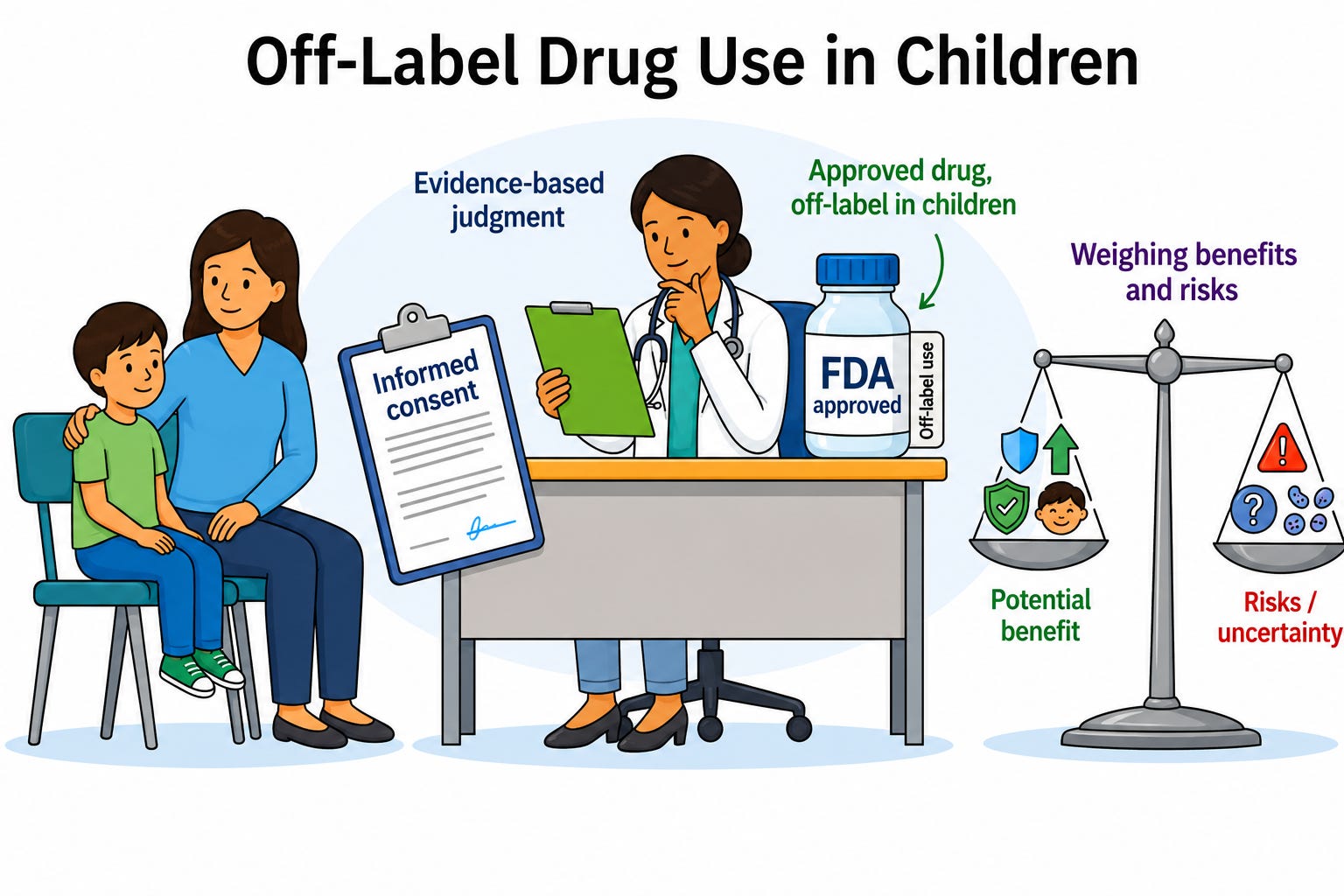
Off -Label Drug Use in children
Off‑label drug use in children is extremely common, especially in oncology, because many medicines are developed and approved based on adult data while pediatric trials lag behind.
How common is off‑label use?
Across pediatrics generally, roughly one‑third to over half of prescriptions are off‑label; a recent meta‑analysis estimated about 46% of prescriptions in hospitalized children are off‑label, and 18% are unlicensed.(15)
In pediatric oncology, off‑label use is often higher and is considered essential to standard care, because many cytotoxics and targeted agents lack full pediatric labeling when they enter practice.
Benefits
Access to potentially effective therapies where no licensed pediatric option.(16)
Ability to individualize dosing and regimens based on PK/PD, emerging evidence, and disease biology rather than waiting years for formal label changes.
Risks
Higher risk of adverse drug reactions (ADRs): multiple studies show ADR rates are higher when drugs are used off‑label than on‑label, and this is particularly evident in oncology.(17)
Uncertain efficacy and optimal dosing: extrapolation from adult trials can miss pediatric‑specific toxicities or under/over‑dosing in younger age groups.(18)
Ethical and legal complexity: benefit‑risk judgments rely heavily on expert consensus and local practice norms rather than the “substantial evidence” standard required for labeling.(19)
Is it legal?
Yes. In the US it is legal for a licensed clinician to prescribe an FDA‑approved drug off‑label to children, as long as it is done within the bounds of good medical practice (sound evidence, clinical judgment, informed consent).(20)
Figure 9. Summary of Treatment of Childhood Cancers
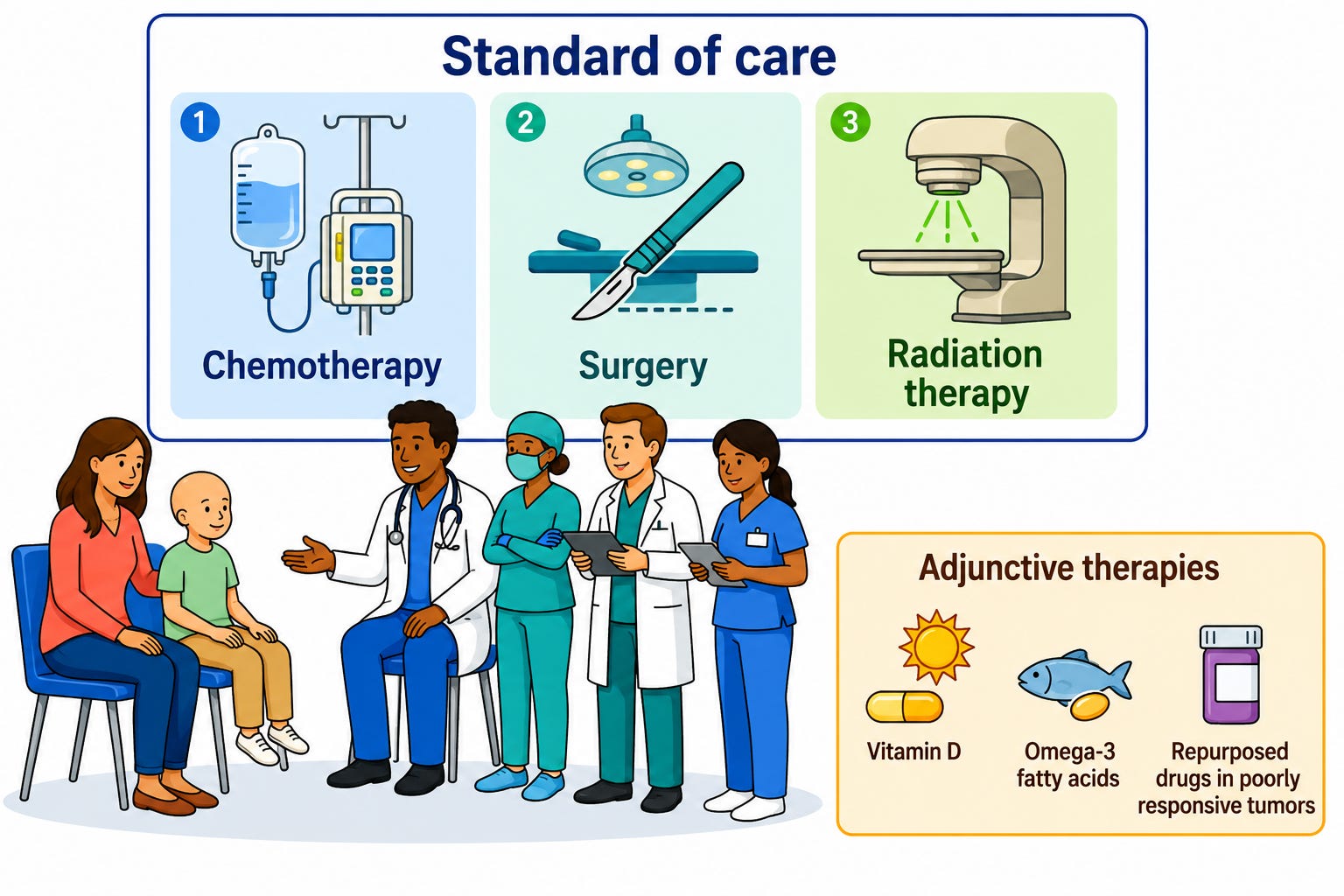
Summary
Current evidence supports routine nutritional assessment, correction of documented micronutrient deficiencies (notably vitamin D), cautious omega‑3 use for malnutrition/inflammation and targeted trials of agents like curcumin. Anti-Warburg repurposed drugs such as ivermectin and berberine should be considered in patients who have responded poorly to conventional chemotherapy.
Figure 10. Summary: Childhood vs. Adult Cancer
If you’ve found this work valuable, please consider upgrading to a paid subscription. Your support helps me continue independent research and share practical, evolving insights—while giving you access to deeper content and more direct engagement.
New Here?
Start with the:
Cancer and Metabolic Library

Medical Disclaimer: The discussion of repurposed medications and nutraceuticals in this article is intended to review the scientific literature and does not constitute a recommendation for self-treatment. Decisions regarding the use of off-label therapies should be made in consultation with a qualified healthcare professional familiar with the patient’s medical history and current treatment plan. Please see the full Medical Disclaimer on the introductory page to Marik’s Cancer & Metabolic Healing Playbook.
References
1. Permtawee K, Tengsujaritkul M, Choed-Amphai C, Chanthong S, Mankhemthong K, Sathitsamitphong L, et al. Warburg effect mimicking inborn errors of metabolism in childhood hematologic malignancies: A case-based systematic review. World J Clin Pediatr. 2023;12(5):350–8.
2. Warenius H. Metabolic Killing of Mitosis Addicted Cancer Cells by Targeting Aerobic Glycolysis: A New Achilles Heel of Cancer. Journal of Cellular Signaling. 2025;6:109–18.
3. Marabitti V, Giansanti M, De Mitri F, Gatto F, Mastronuzzi A, Nazio F. Pathological implications of metabolic reprogramming and its therapeutic potential in medulloblastoma. Front Cell Dev Biol. 2022;10:1007641.
4. Zapletalova D, André N, Deak L, Kyr M, Bajciova V, Mudry P, et al. Metronomic chemotherapy with the COMBAT regimen in advanced pediatric malignancies: a multicenter experience. Oncology. 2012;82(5):249–60.
5. de Castro CG, Gregianin LJ, Burger JA. Continuous high-dose ivermectin appears to be safe in patients with acute myelogenous leukemia and could inform clinical repurposing for COVID-19 infection. Leuk. Lymphoma. 2020;61:2536–7.
6. Podpeskar A, Crazzolara R, Kropshofer G, Hetzer B, Meister B, Müller T, et al. Omega-3 Fatty Acids and Their Role in Pediatric Cancer. Nutrients. 2021;13(6).
7. Eghbali A, Adibifar M, Ghasemi A, Afzal RR, Moradi K, Eghbali A, et al. The effect of oral curcumin on vincristine-induced neuropathy in pediatric acute lymphoblastic leukemia: A double-blind randomized controlled clinical trial. BMC Cancer. 2025;25(1):344.
8. Lubas MM, Mandrell BN, Greene WL, Howell CR, Christensen R, Kimberg CI, et al. A randomized double-blind placebo-controlled trial of the effectiveness of melatonin on neurocognition and sleep in survivors of childhood cancer. Pediatr Blood Cancer. 2022;69(1):e29393.
9. Podpeskar A, Crazzolara R, Kropshofer G, Hetzer B, Rabensteiner E, Meister B, et al. Recommendations for Nutritional Supplementation in Pediatric Oncology: A Compilation of the Facts. Nutrients. 2023;15(14).
10. Bhattacharya S, Verma N, Kumar A. Prevalence of vitamin D deficiency in childhood acute lymphoblastic leukemia and its association with adverse outcomes during induction phase of treatment. Nutr Cancer. 2020;72(8):1321–5.
11. Kárász N, Juhász O, Imrei M, Garami M. Long-Term Prognosis in Relation to Vitamin D Status in Pediatric Solid Tumor Patients. Nutrients. 2023;15(21).
12. Li T, Wang W, Chen H, Li T, Ye L. Evaluation of anti-leukemia effect of resveratrol by modulating STAT3 signaling. Int Immunopharmacol. 2010;10(1):18–25.
13. AlMutairi H, McCullough F, Siddiqui K, Ghemlas I, AlHarbi M, Grundy R, et al. Safety, Feasibility, and Effectiveness of Ketogenic Diet in Pediatric Patients With Brain Tumors: A Systematic Review. J Nutr Metab. 2025;2025:7935879.
14. Corsello A, Trovato CM, Di Profio E, Cardile S, Campoy C, Zuccotti G, et al. Ketogenic diet in children and adolescents: The effects on growth and nutritional status. Pharmacol Res. 2023;191:106780.
15. Allen HC, Garbe MC, Lees J, Aziz N, Chaaban H, Miller JL, et al. Off-Label Medication use in Children, More Common than We Think: A Systematic Review of the Literature. J Okla State Med Assoc. 2018;111(8):776–83.
16. Mascolo A, Scavone C, Bertini M, Brusco S, Punzo F, Pota E, et al. Safety of Anticancer Agents Used in Children: A Focus on Their Off-Label Use Through Data From the Spontaneous Reporting System. Front Pharmacol. 2020;11:621.
17. Yuan X, Gao J, Yang L, Tan Y, Bajinka O. Off‑label and unapproved pediatric drug utilization: A meta‑analysis. Exp Ther Med. 2024;28(5):412.
18. van der Zanden TM, Mooij MG, Vet NJ, Neubert A, Rascher W, Lagler FB, et al. Benefit-Risk Assessment of Off-Label Drug Use in Children: The Bravo Framework. Clin Pharmacol Ther. 2021;110(4):952–65.
19. Petkova V, Georgieva D, Dimitrov M, Nikolova I. Off-Label Prescribing in Pediatric Population-Literature Review for 2012-2022. Pharmaceutics. 2023;15(12).
20.Banner W. Off label prescribing in children. A view from the United States. BMJ.2002;324:1290–2
I totally respect your work, Dr Marik and I praise God for you for not just lying down and let the bulldozer run over you, so I do not question your integrity.
Yet I personally believe that all the vaccines foisted onto our infants, plays a role in these childhood cancers! I’m afraid you will not be able to convince me otherwise.
The elephant in the room is childhood vaccination. Many readers have asked whether routine childhood vaccines could increase the risk of childhood cancer. While this hypothesis is sometimes raised, there are currently no convincing clinical data supporting such an association.
To answer this question reliably would require a very large, well-designed study comparing cancer rates in vaccinated and unvaccinated children while carefully accounting for other factors that influence cancer risk. To date, no such study has demonstrated an increased risk of childhood cancer associated with routine vaccination.
I discussed this issue with pediatric experts who have studied health outcomes in vaccinated and unvaccinated children. They are not aware of any reproducible signal linking routine childhood vaccination to an increased incidence of childhood cancer.
As with any scientific question, we should follow the evidence rather than speculation. If high-quality data eventually demonstrate a relationship, those findings should be evaluated objectively. At present, however, the available evidence does not support an association between routine childhood vaccination and childhood cancer. We need robust data—not hypothetical speculation—to answer this important question.