
Luteolin: A versatile anticancer agent (and Genistein).

Luteolin has one of the broadest anticancer profiles among naturally occurring flavonoids. Like curcumin and quercetin, it is not tumor-specific but instead targets multiple “hallmarks of cancer,” including proliferation, inflammation, cancer stem cells (CSCs), angiogenesis, epithelial–mesenchymal transition (EMT), and immune evasion. Most of the evidence, however, comes from cell culture and animal studies, with limited human clinical data.
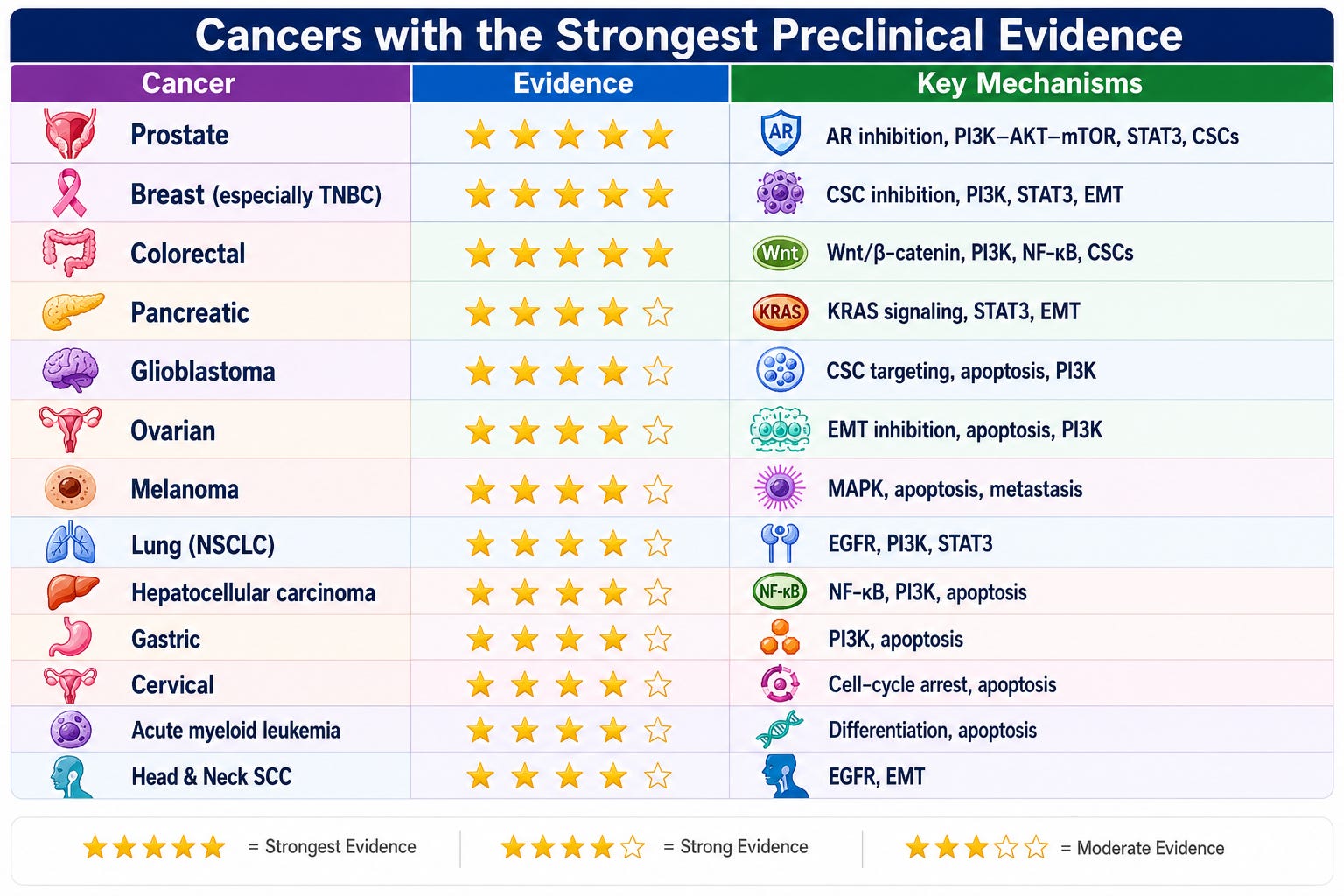
Particularly Effective Tumors
Triple-Negative Breast Cancer (TNBC)
Probably one of the strongest indications.
Luteolin:
suppresses CSCs
inhibits STAT3
inhibits PI3K
inhibits EMT
reduces metastasis
enhances chemotherapy sensitivity in laboratory models
Overall: ⭐⭐⭐⭐⭐
Colorectal Cancer
Excellent mechanistic overlap with the metabolic approach.
Targets:
Wnt/β-catenin
NF-κB
PI3K
STAT3
CSCs
Overall: ⭐⭐⭐⭐⭐
Pancreatic Cancer
Pancreatic cancer depends heavily on:
KRAS
PI3K
inflammatory signaling
EMT
Luteolin inhibits many of these pathways.
Overall: ⭐⭐⭐⭐☆
Glioblastoma
One of the more promising natural compounds for glioblastoma.
Mechanisms:
CSC inhibition
PI3K inhibition
apoptosis
radiosensitization (preclinical)
Overall: ⭐⭐⭐⭐☆
Ovarian Cancer
Evidence demonstrates:
apoptosis induction
inhibition of migration
inhibition of EMT
PI3K inhibition
Overall: ⭐⭐⭐⭐☆
Melanoma
Luteolin suppresses:
invasion
migration
angiogenesis
inflammatory signaling
Overall: ⭐⭐⭐⭐☆
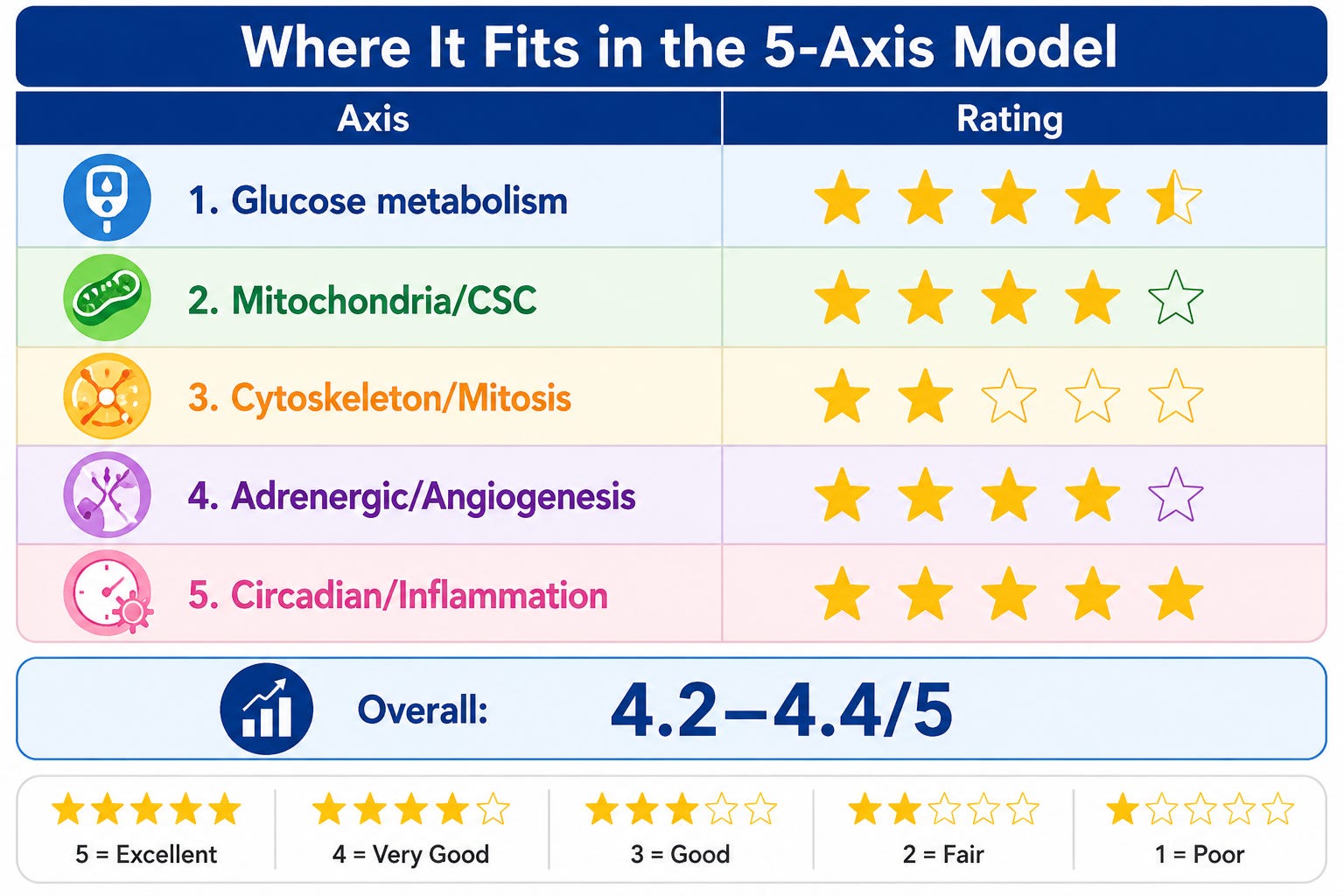
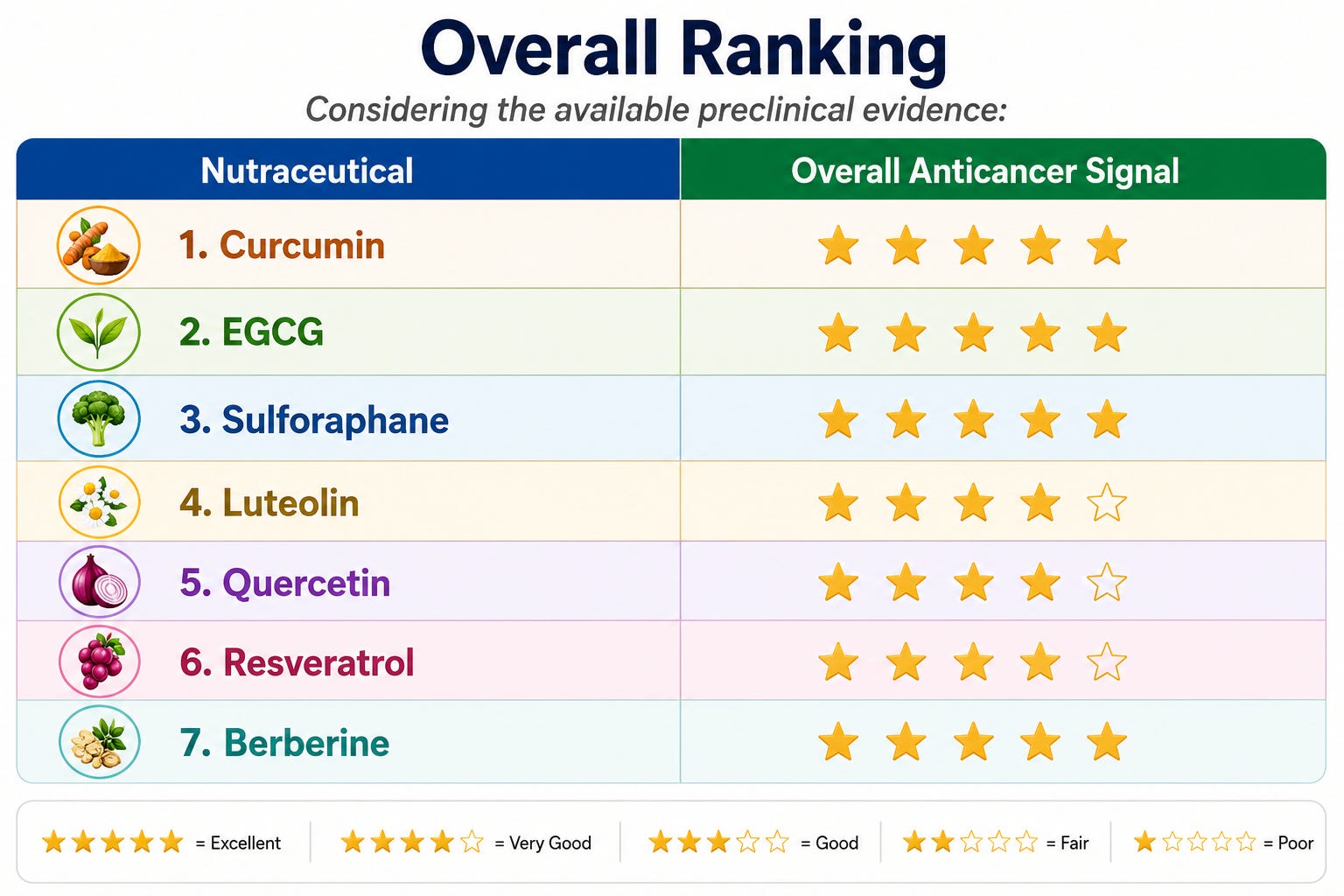
My Assessment
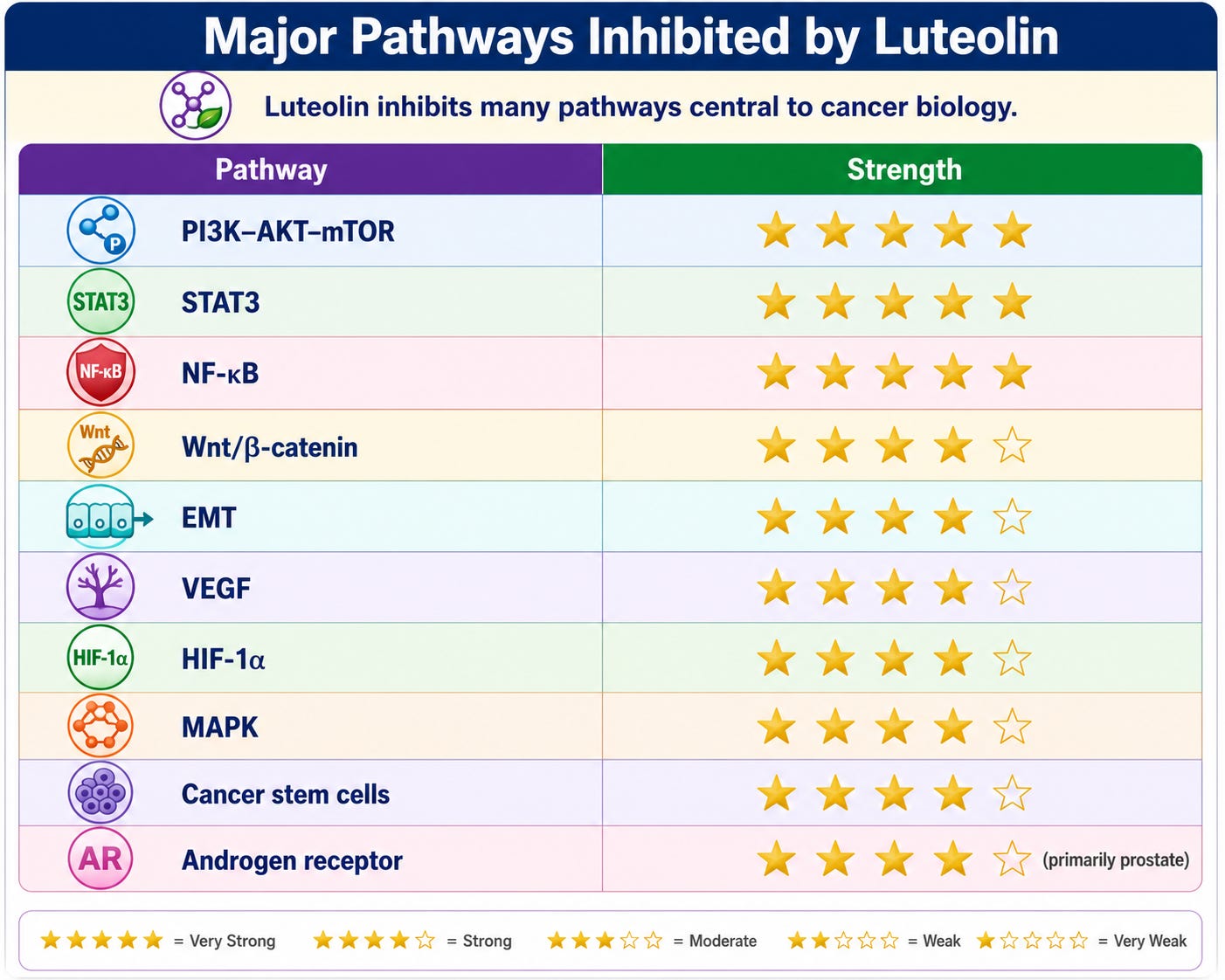
I would place luteolin in the upper Tier 2 of anticancer nutraceuticals. It has particularly compelling mechanistic evidence in prostate, breast (especially triple-negative), colorectal, pancreatic, glioblastoma, ovarian, melanoma, and non-small cell lung cancer. Its strengths lie in its ability to inhibit PI3K–AKT–mTOR, STAT3, NF-κB, Wnt/β-catenin, EMT, angiogenesis, and cancer stem cell signaling.
The main limitation is the lack of human clinical trials demonstrating improved cancer outcomes. Thus, luteolin is best viewed as a promising adjunctive nutraceutical that fits well within a multi-target metabolic oncology strategy, rather than a proven standalone anticancer therapy.
Luteolin and prostate cancer
Luteolin is one of the more promising flavonoids in prostate cancer research. It is a naturally occurring flavone found in celery, parsley, green peppers, thyme, oregano, chamomile, and artichokes. Although there are no randomized clinical trials demonstrating improved survival in prostate cancer, extensive laboratory and animal studies suggest that luteolin targets many of the pathways that drive prostate cancer progression.
Why Luteolin Is Attractive in Prostate Cancer
Unlike drugs that target a single mutation, luteolin is pleiotropic, simultaneously modulating multiple cancer-promoting pathways.
1. Inhibits Androgen Receptor (AR) Signaling ⭐⭐⭐⭐☆
This is probably its most important action.
Luteolin has been shown in preclinical studies to:
Reduce androgen receptor (AR) expression
Suppress AR transcriptional activity
Decrease prostate-specific antigen (PSA) production
Inhibit growth of androgen-dependent prostate cancer cells
Importantly, there is also evidence that luteolin may inhibit signaling through AR splice variants, although this remains primarily preclinical.
2. Inhibits PI3K–AKT–mTOR ⭐⭐⭐⭐⭐
This pathway is activated in a large proportion of advanced prostate cancers.
Luteolin:
inhibits PI3K
decreases AKT phosphorylation
suppresses mTOR
activates AMPK in some models
This fits well within your Axis 1 (metabolic signaling).
3. Suppresses STAT3 ⭐⭐⭐⭐⭐
STAT3 is important for:
tumor growth
immune evasion
metastasis
cancer stem cells
Luteolin consistently suppresses STAT3 activation.
4. Inhibits NF-κB ⭐⭐⭐⭐⭐
NF-κB promotes:
inflammation
metastasis
angiogenesis
resistance
Luteolin is a potent NF-κB inhibitor.
5. Reduces Cancer Stem Cells ⭐⭐⭐⭐☆
Several studies demonstrate inhibition of:
stemness genes
sphere formation
self-renewal
Likely mechanisms include inhibition of:
Wnt/β-catenin
STAT3
Notch
6. Blocks EMT and Metastasis ⭐⭐⭐⭐☆
Luteolin suppresses:
epithelial–mesenchymal transition (EMT)
cell migration
invasion
matrix metalloproteinases (MMP-2 and MMP-9)
7. Anti-Angiogenic Effects ⭐⭐⭐⭐☆
Luteolin decreases:
VEGF
HIF-1α
endothelial proliferation
8. Induces Apoptosis ⭐⭐⭐⭐⭐
Luteolin activates:
caspase-3
caspase-9
and increases:
Bax
while decreasing:
Bcl-2
9. Anti-inflammatory Effects ⭐⭐⭐⭐☆
Luteolin decreases:
IL-6
TNF-α
COX-2
prostaglandins
Synergy with Other Agents
Preclinical studies suggest potential synergy with:
Metformin (AMPK activation)
Curcumin (NF-κB and STAT3 inhibition)
EGCG (Wnt, PI3K, and AR signaling)
Sulforaphane (epigenetic effects and CSC inhibition)
Quercetin (shared anti-inflammatory and antiproliferative pathways)
Resveratrol (AMPK and apoptosis)
Docetaxel (may enhance chemosensitivity in laboratory models)
Safety
Luteolin is generally well tolerated.
Potential adverse effects:
Mild gastrointestinal upset
Rare headache
No significant toxicity has been reported at commonly used supplemental doses.
Typical Supplemental Dose
Although an optimal oncology dose has not been established, supplements commonly provide:
100–200 mg/day
Some clinicians use 200–400 mg/day, usually divided into two doses and taken with meals to improve absorption.
Should It Be Included in a Metabolic Oncology Program?
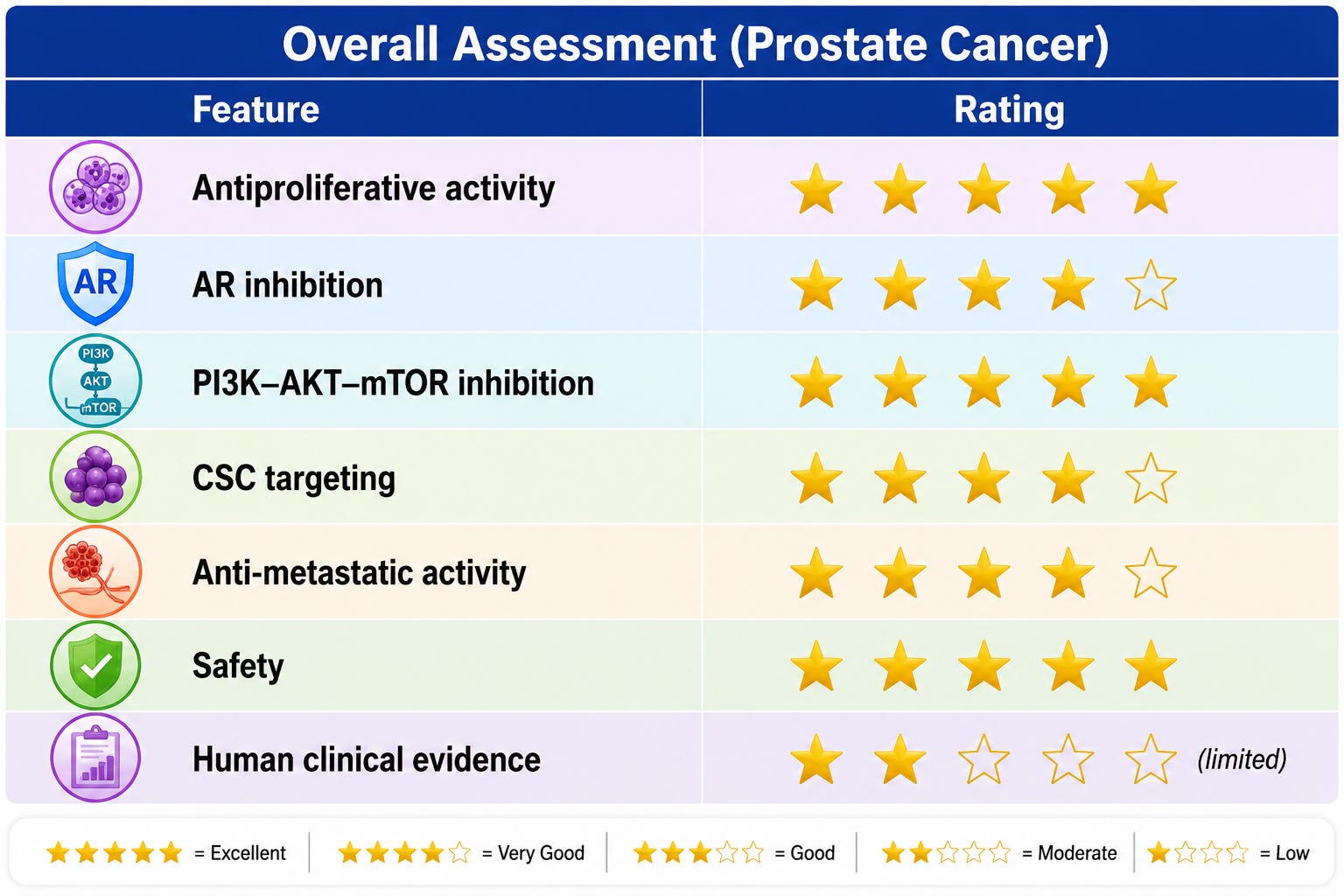
For prostate cancer, I think luteolin is one of the stronger flavonoids because it combines:
Androgen receptor inhibition
PI3K–AKT–mTOR suppression
STAT3 inhibition
NF-κB inhibition
Cancer stem cell targeting
Anti-metastatic effects
These mechanisms align closely with the biology of advanced prostate cancer.
Bottom line
Luteolin has a strong preclinical rationale as an adjunct in prostate cancer because it targets several pathways central to disease progression, particularly androgen receptor signaling, PI3K–AKT–mTOR, STAT3, NF-κB, and cancer stem cell biology. However, clinical evidence in humans remains limited, so it should be viewed as a promising adjunct rather than a proven anticancer therapy. Given its favorable safety profile and complementary mechanisms, it could reasonably be considered alongside other well-studied nutraceuticals in a multi-target metabolic strategy, while recognizing that definitive clinical benefit has not yet been established.
Genistein and Prostate Cancer
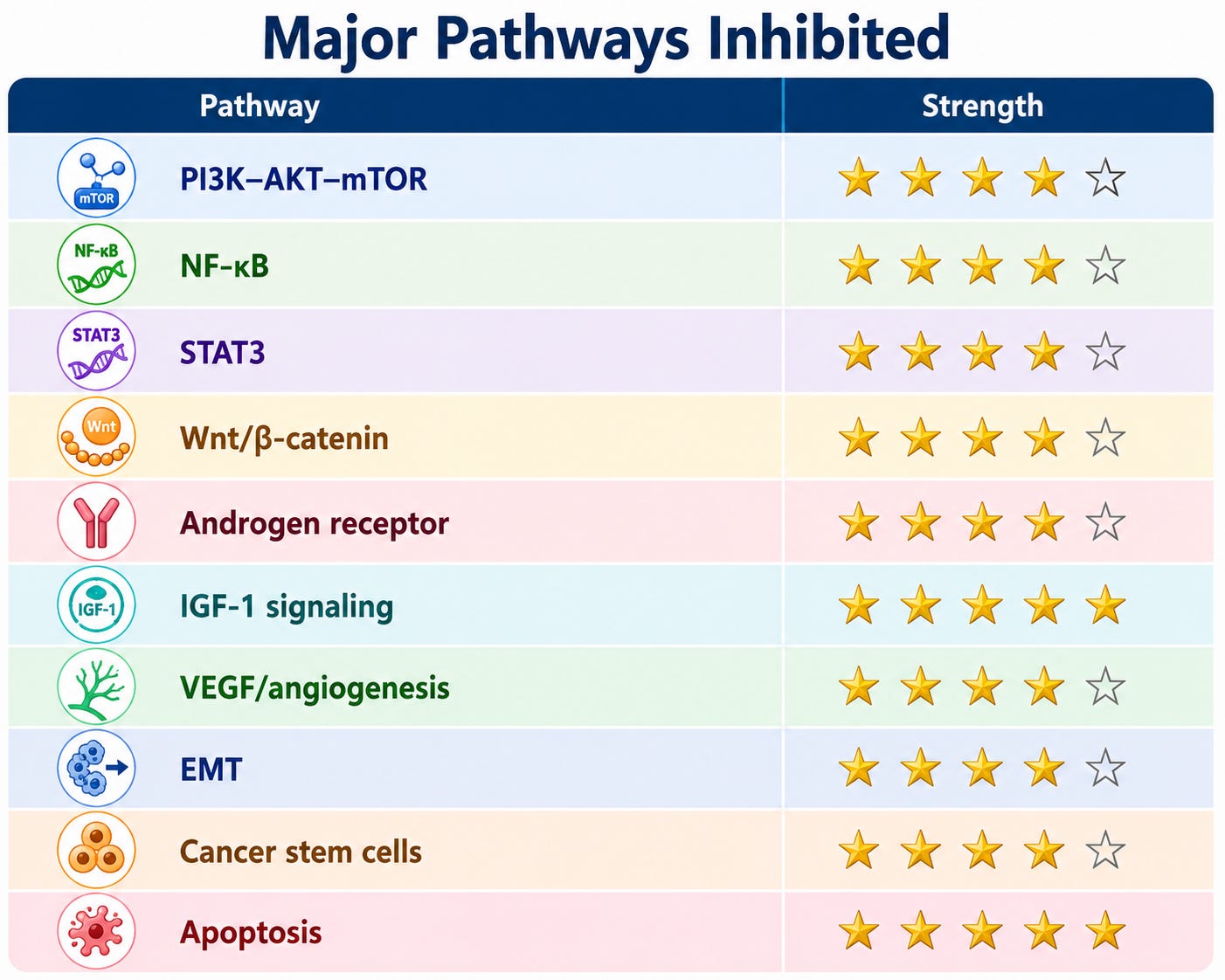
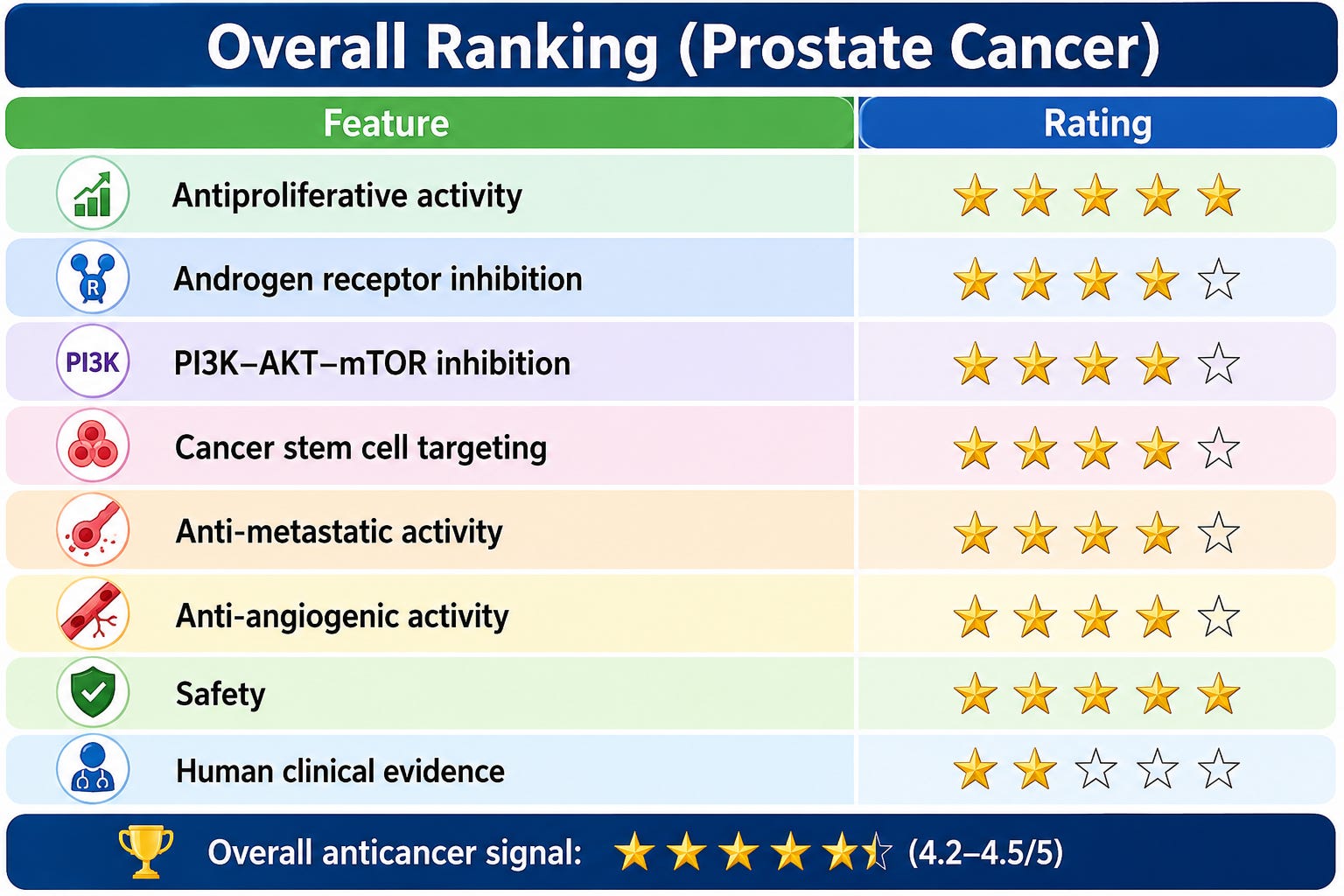
Genistein is one of the most extensively investigated phytochemicals for prostate cancer. It simultaneously targets androgen receptor signaling, PI3K–AKT–mTOR, IGF-1, NF-κB, STAT3, angiogenesis, epithelial–mesenchymal transition, and cancer stem cells, giving it broad mechanistic coverage. Its excellent safety profile and supportive preclinical evidence make it an attractive adjunctive candidate, although high-quality clinical trials demonstrating improvements in survival or disease progression are still lacking. Within a multi-axis metabolic approach, genistein would be a strong Tier 2 nutraceutical, particularly for hormone-sensitive or early-stage prostate cancer. Human clinical trials have generally demonstrated biological activity and favorable effects on biomarkers, but definitive evidence for improved survival is lacking.
Human Evidence
Human studies have generally shown:
reductions in PSA-related biomarkers in some settings
favorable changes in inflammatory markers
excellent tolerability
epidemiologic associations between higher soy intake and lower prostate cancer incidence in Asian populations
However, randomized trials have not consistently demonstrated improvements in recurrence-free or overall survival, so the clinical evidence remains limited.
Safety
Excellent.
Potential adverse effects are generally mild:
occasional gastrointestinal upset
possible interactions with thyroid hormone replacement in susceptible individuals
theoretical hormonal effects at high doses, although clinical studies have generally not shown significant reductions in testosterone in men consuming typical supplemental doses.
Typical Supplemental Dose
Commonly used doses are:
50–100 mg/day
up to 150 mg/day in some clinical studies
Dietary soy foods generally provide much lower amounts.
Luteolin or Genistein for Prostate Cancer
Practical interpretation
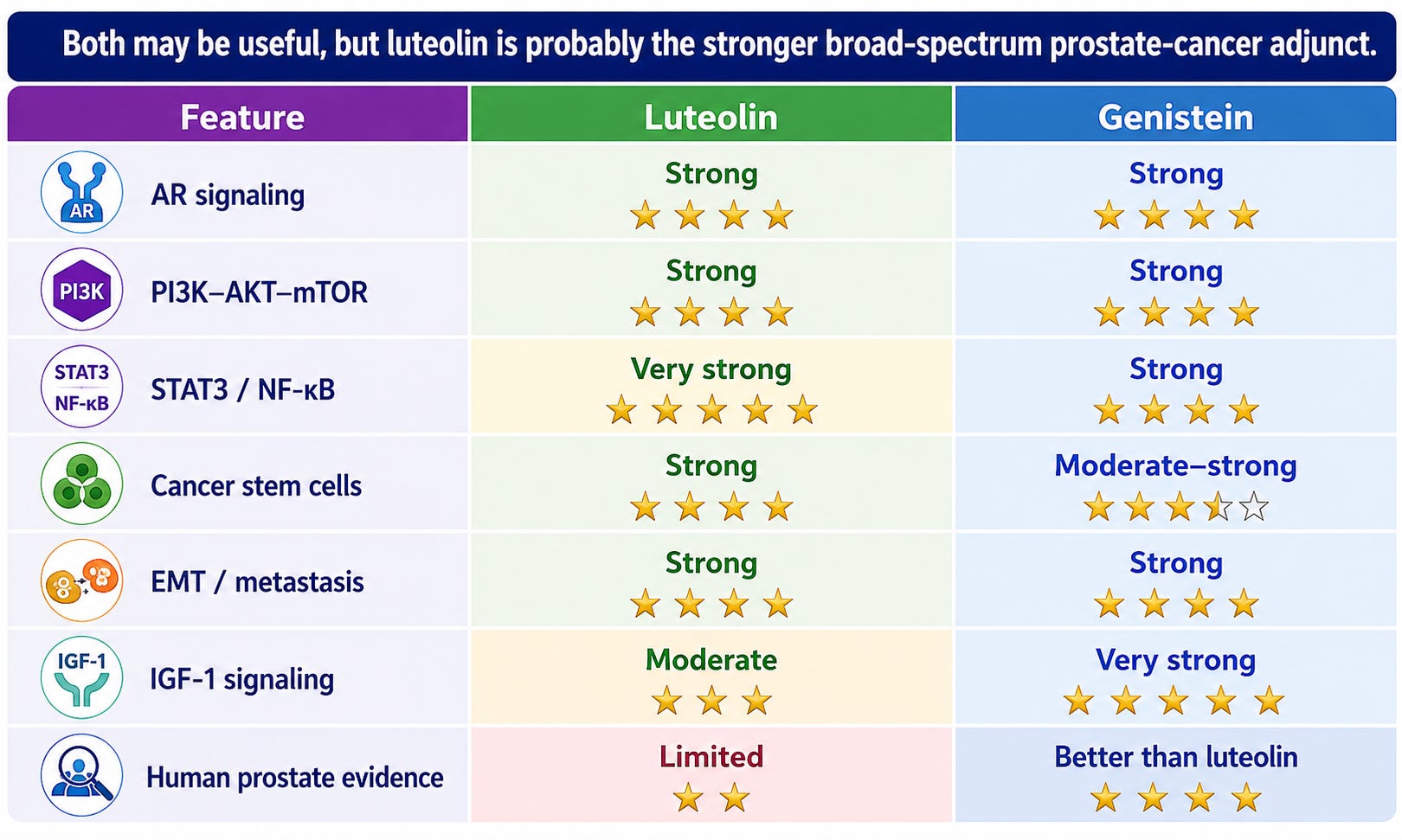
Luteolin may be more attractive for advanced, inflammatory, metastatic, or castrate-resistant prostate cancer because it strongly targets STAT3, NF-κB, PI3K, EMT, metastasis, and CSC signaling.
Genistein may be more attractive for early-stage or hormone-sensitive prostate cancer, especially where IGF-1, insulin signaling, and AR biology are central.
Best answer
They are complementary, not redundant. If choosing one, I would usually favor luteolin for broader anticancer pathway coverage. If tolerated and there are no contraindications, using both at moderate doses may be more rational than pushing either one to a high dose.
Suggested ranking for prostate cancer:
Luteolin
Genistein
Both together may be best mechanistically, but clinical proof is lacking.
If you’ve found this work valuable, please consider upgrading to a paid subscription. Your support helps me continue independent research and share practical, evolving insights—while giving you access to deeper content and more direct engagement
New Here?
Start with the: Cancer and Metabolic Library

Medical Disclaimer: The discussion of repurposed medications and nutraceuticals in this article is intended to review the scientific literature and does not constitute a recommendation for self-treatment. Decisions regarding the use of off-label therapies should be made in consultation with a qualified healthcare professional familiar with the patient’s medical history and current treatment plan. Please see the full Medical Disclaimer on the introductory page to Marik’s Cancer & Metabolic Healing Playbook.
We have developed the ROOTs protocols for the prevention of cancer. I will be posting these in the future. If you need them now you can e-mail me: pmarik@protonmail.com
Vegetables Rich in Luteolin
Excellent sources
Celery (especially leaves)
Green bell peppers
Artichokes
Broccoli
Brussels sprouts
Spinach
Kale
Cabbage
Lettuce (romaine)